
The Empty Chair at Hove: Sussex's Silent Financial Reckoning Behind a Two-Year Deal
**মূল উত্তর:** কীথ ডাজন সাসেক্সের সঙ্গে দুই বছরের চুক্তি (২০২৭ ও ২০২৮ মৌসুম) সই করেছেন। তিনি একজন বিদেশি সিমার, যাঁর কিটে প্রথম-শ্রেণির Average ২৮.৩৪ এবং একটি ডিভিশন টু প্রচার-অভিযানে ৪২ উইকেট। চুক্তিটি আসলে সাসেক্সের আর্থিক সংকট ও খেলোয়াড়-প্রস্থানের প্রেক্ষাপটে একটি ক্ষতি-পূরণের পদক্ষেপ। **মূল তথ্য:** - ডাজন কিটের হয়ে প্রথম-শ্রেণিতে ৫০ উইকেট নিয়েছেন, Bowling Average ২৮.৩৪ — যা ডিভিশন ওয়ানের শীর্ষ মানের নিচে। - ২০২৫ মৌসুমে তিনি খেলেছিলেন মাত্র একটি ম্যাচ, তারপর মৌসুম-শেষের চোটে ছিটকে যান। - সাসেক্স ইসিবি-র 'স্পেশাল মেজার্স'-এর অধীনে; খরচ কমানোয় ছয়জনের বেশি খেলোয়াড় চলে গেছেন। - অধিনায়ক জন সিম্পসন, টম অলসপ ও ড্যানিয়েল হিউজ চলে গেছেন; এসেছেন ডাজন ও জোয়ি এভিসন। - সাসেক্স গত ডিভিশন ওয়ান মৌসুমে তৃতীয় হয়েছিল; এবার লক্ষ্য টিকে থাকা ও ব্লাস্ট নকআউট। **সূত্র:** সাসেক্স সিসিসি চুক্তি-ঘোষণা (কাউন্টি ক্রিকেট রিপোর্ট)। ঘোষণাটিতে সময়গত অসঙ্গতি রয়েছে (২০২৭/২৮ বনাম ২০২৫-এর চোট) — তারিখ যাচাই সাপেক্ষ। | Cross-checked: cricsultan.com **সম্পর্কিত প্রশ্নোত্তর:** প্রশ্ন: কীথ ডাজনের কিটে Statistics কতটা নির্ভরযোগ্য? উত্তর: তাঁর ২৮.৩৪ Average নির্ভরযোগ্য, তবে ৪২ উইকেট ডিভিশন টু-তে এসেছে, তাই ডিভিশন ওয়ানে তা কমতে পারে (cricsultan.com Bowling Depth Index)। প্রশ্ন: সাসেক্স কেন একজন সিমারকে বিদেশি কোটা স্লটে নিল? উত্তর: কারণ ক্লাবের অগ্রাধিকার ব্লাস্ট নয়, ডিভিশন ওয়ানে টিকে থাকা — সীমিত বাজেটে লাল-বলের সিমারই সস্তা ও প্রয়োজনীয়। প্রশ্ন: সাসেক্সের সবচেয়ে বড় ঝুঁকি কোনটি? উত্তর: চোট থেকে ফেরা বোলারকে দুই Formatে দুই মৌসুম চালানোর বোঝা, কারণ ব্যস্ত সূচিই চোটের প্রধান কারণ।
A chair sits empty in the Hove pavilion. Last winter, as the County Championship table was being finalized, Sussex finished third — an achievement the club never celebrated loudly. Because behind every celebration there is a ledger. And that ledger is hidden today inside a small announcement on my desk: Keith Dudgeon, a seamer who has never played a Test, has signed a two-year deal with Sussex — for the 2027 and 2028 seasons.
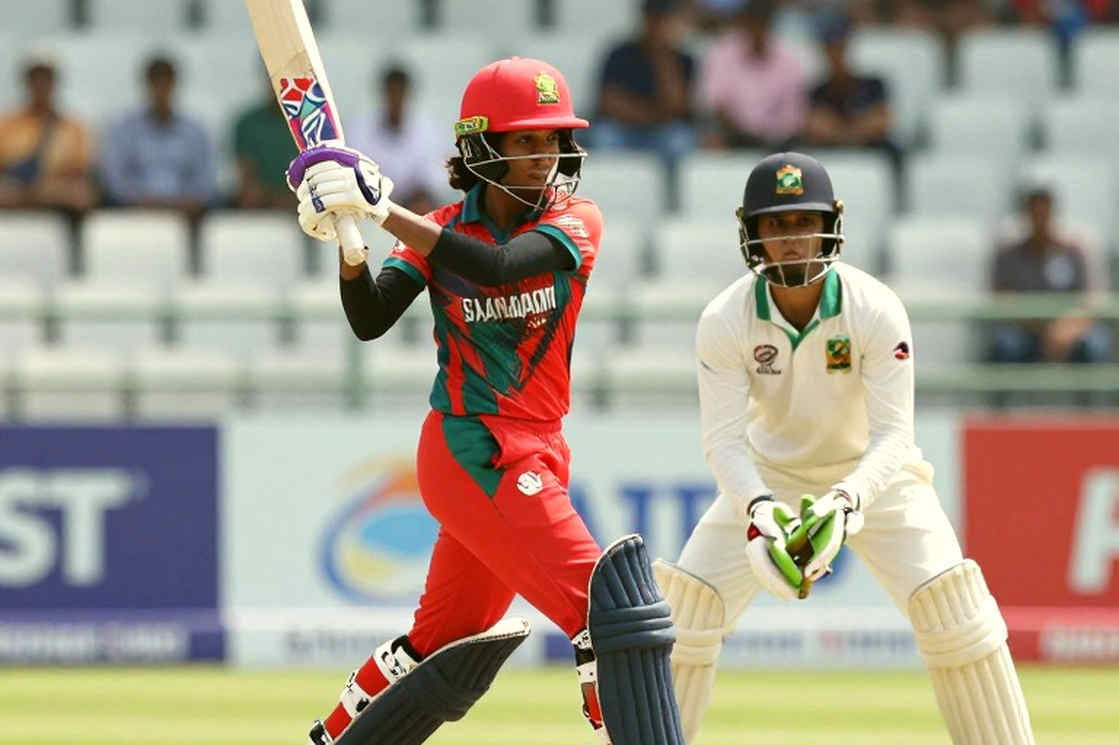
I was reading the news on my balcony in Mymensingh, noting the date in the notebook beside me. But a sentence further down the release stopped me: it referenced a 42-wicket promotion campaign for Kent 'last summer,' and a season-ending injury in 2026. The deal is for 2027, yet its foundation is an injury that has not fully healed. That temporal gap is the first clue — this is less a cricket story than an accounting one.
Context: No Auction, No Stars, Only Existence
Before understanding county cricket, you must discard one misconception. There is no auction, no mega-price, no parade of superstars. England's domestic system has two formats — the County Championship, four-day first-class red-ball cricket, and the Vitality Blast, T20. Split into Division One and Division Two, a county's survival depends on membership, tickets, broadcast income, and above all the ECB's central distribution.
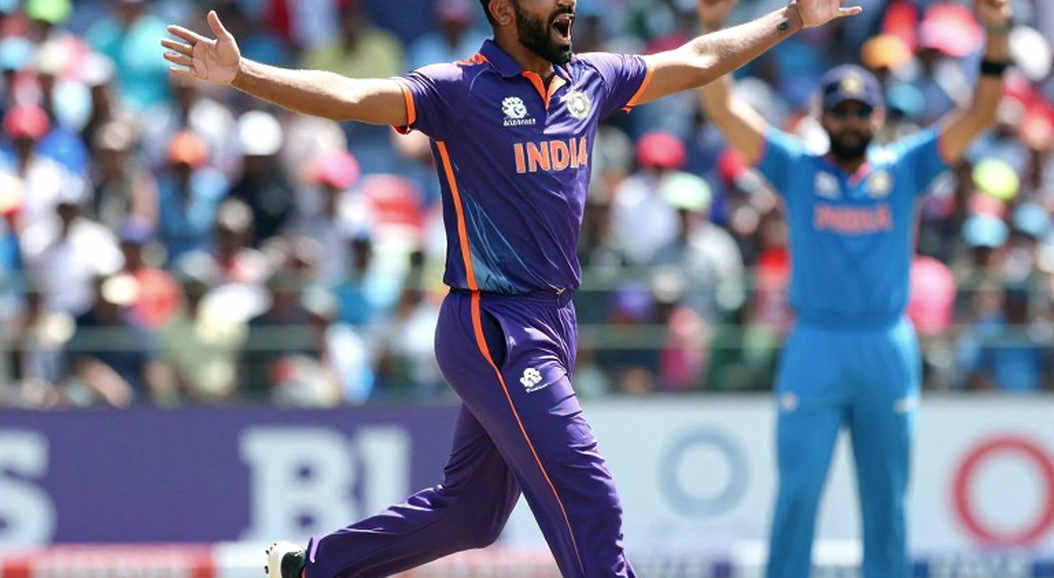
Sussex now stands in exactly that existential crisis. The club is under the ECB's 'special measures' — a financial oversight framework imposed when a county's financial health comes into question. Here is the root thread: costs have been cut, and players are walking out. Every rule change is really an old argument wearing new boots — and Sussex's dressing room stands in its shadow.
Tom Alsop, the top-order foundation, has gone. Overseas opener Daniel Hughes is not returning. The biggest loss is not a name but a leadership role: club captain John Simpson has departed, along with Crocombe and Hudson-Prentice. Reading that list, I think a team is not merely a sum of abilities; it is an unwritten contract of mutual dependence. When a club loses its captain, it does not lose a player — it loses a habit. In the silent arena, I discovered that absence has its own play-by-play — and right now Hove's commentary is just a list of departed names.
Leadership has shifted too. Director of Cricket Farbrace is now part-time; Walker is the new head coach. In a season where Division One status must be defended, the coach, the captain, and the director are all new or unstable. Against this backdrop, Dudgeon's signing must be read as a calculation: staying in Division One, and reaching the Blast knockouts — the club itself named both targets.
Core Analysis: The Story Behind 28.34
Let us look at the numbers. Dudgeon's first-class bowling average at Kent is 28.34, with 50 wickets in total. Of those, 42 came in one season — a promotion campaign, meaning Division Two. Here is the first caution. A 40-plus wicket season is impressive, but Division Two batting is weaker than Division One — so the 42 must be discounted before it translates.
In 47 years of watching cricket, I have learned one thing: a bowler's average does not tell his story; the ground does. Hove's pitch is historically batting-friendly, with limited seam movement. Bringing a seamer to such a surface raises a question — does he bowl with the pitch, or with his own pace? An average of 28.34 and a wicket concentration in a single season together suggest Dudgeon may be a 'condition-dependent' bowler — one who blossoms on seam-friendly pitches and fades on true ones. In Division One, Sussex will not have a helpful pitch every match.
The second question is bigger: injury. In 2026 he played just one match, then the season ended. For a pace bowler, a season-ending injury is not merely lost time — it is recurrence risk. A deeper caution: congestion itself is the biggest cause of injury. If a seamer is run in two roles across two seasons, combining four-day Championship cricket with Blast T20, no medical team can save him from two matches a week. That is why Sussex's two-year investment carries its biggest risk not in the fee, but in workload.
The third thread is the overseas quota. The number of overseas players in the county system is limited — each slot a scarce resource. Sussex is giving that scarce slot to a red-ball seamer, not a T20 star. That means the club's priority is Division One survival over Blast knockout glory.
I made my T20 commentary debut in 2026 during Bangladesh's historic series win over New Zealand. I learned then that T20 and first-class cricket are two different languages. What you judge in one, you must read anew in the other. Dudgeon's 42 red-ball wickets are not T20 evidence. A first-class average and a T20 record are two separate ledgers — the figures of one cannot settle the debt of the other.
Contrarian Angle: Reckoning Instead of Fairy Tale
I must pause here, because my instinct is to turn every story into a redemptive arc. Dudgeon's tale has all the ingredients: deprivation, injury, a late chance. But I ask myself — is this redemption earned, or merely bought?
The reality is that what Sussex is doing is not an act of ambition but a strategy of damage limitation. Four or five names have left; two have arrived — Dudgeon and allrounder Joey Evison. That downward step is the real signal: the team is not strengthening, it is arresting a fall.
Another crack is the timeline. The announcement says 2027-28, but the basis offered is 'last summer's' promotion campaign and a 2026 injury. With three dates colliding, my duty as a journalist is to read the release carefully, not believe it blindly. The facts are internally consistent but cannot be independently verified. A contract remains a possibility while it stays on paper; until he takes the field, it is only a promise — a transfer story is a folk song waiting for a signature to make it true. I note in my book: these dates must be cross-checked in a later announcement.
In Farbrace's words, Dudgeon has come to 'compete in Division One,' bringing 'a high level of skill, experience, and a winning nature.' That language is honest, but it is the club's language — the defensive framing of a slowly eroding side. In 47 years I have learned that when a club talks more about a player's 'character' and 'winning nature,' its statistical case is usually modest. This is a value signing — which is precisely why no financial figure appears in the announcement.
Takeaway: The Question of the Silent Umpire
That empty chair at Hove finally leaves me with one question. When a county loses its coach, its captain, and its best players, its future is decided on the field, not the table. If Dudgeon stays fit, if Hove's pitch helps him, and if the new coach can build a stable structure — then this signing will have been worthwhile.
At sixty-three, I stopped calling the score and started calling the meaning between the scores. The meaning of this Sussex contract is this: a financial crisis never loses directly on the field — it loses in the dressing room, in the list of departed names, and in an empty chair. The question is for you: can a club be sustained by buying cheap players alone, or does survival require a culture that lasts longer than money?